Navigating IVDR for NGS Assays: Challenges and Solutions with MDx CRO

Next-Generation Sequencing (NGS) has revolutionized molecular diagnostics by enabling simultaneous analysis of hundreds or thousands of genes across diverse clinical applications. These include germline testing for hereditary disorders, somatic mutation profiling in oncology, infectious disease characterization, and transcriptomic gene expression analysis.

A particularly impactful advancement is liquid-biopsy NGS, which allows non-invasive detection of tumor-derived nucleic acids—such as circulating tumor DNA (ctDNA) or RNA—from blood or other bodily fluids. This method now supports cancer screening, minimal residual disease monitoring, and therapy stratification.

NGS also powers Comprehensive Genomic Profiling (CGP). These assays assess a wide spectrum of biomarkers—single nucleotide variants (SNVs), insertions and deletions (indels), copy number alterations (CNAs), copy number losses (CNLs), gene fusions, and splicing events—across large panels in a single run. Many workflows also integrate microsatellite instability (MSI) and tumor mutational burden (TMB).

Assays can range from targeted panels to whole exome sequencing (WES) or whole genome sequencing (WGS). Each format carries unique validation needs and bioinformatics requirements. The mix of technologies, analytes, sample types (e.g., blood, plasma, FFPE, cfDNA, RNA), and clinical contexts increases regulatory complexity.

Under the EU In Vitro Diagnostic Regulation (IVDR; EU 2017/746), you must define each intended use clearly and support it with comprehensive evidence of scientific validity, analytical performance, and clinical performance. That requirement calls for a holistic, coordinated validation and documentation strategy.

For CE-marking manufacturers and clinical laboratories operating under Article 5(5), IVDR demands structured validation, clear documentation, and lifecycle management. For NGS-based assays, compliance becomes even more demanding due to scientific, technical, and operational intricacies.

Key Challenges in IVDR Compliance for NGS

1) Complex Gene Panels & Variant Diversity

NGS panels often include multiple genes and variant types, each with distinct performance characteristics. You must demonstrate analytical performance—sensitivity, specificity, LoD, and robustness—per variant class. This tailoring increases the scale and complexity of testing.

2) Defining a Clear Intended Use

A precise, testable intended purpose statement anchors the program. Define analytes, clinical context, sample types, output format, and role in patient care. Any ambiguity risks misclassification or validation gaps.

3) Scientific Validity Across Many Analytes and Conditions

Establishing scientific validity grows challenging when one test targets dozens or hundreds of genes. Under IVDR, link each analyte to a clinically relevant condition. That linkage often requires extensive literature review, database referencing, and written justification for inclusion.

4) Clinical Performance Evidence

With broad genomic scope, comprehensive clinical studies may be infeasible. A pragmatic approach combines routine diagnostic data, published literature, and a clear link to Post-Market Performance Follow-up (PMPF) plans to support claims over time.

5) Complex Bioinformatics Pipelines

Bioinformatics sits at the core of NGS diagnostics. Validate every step—from base calling to variant annotation. Implement version control, clear revalidation triggers, and change management to maintain consistent performance after software updates.

6) Use of Third-Party Reagents and Instruments

NGS workflows often incorporate off-the-shelf reagents and platforms not originally CE-marked as part of the IVD system. Document compatibility, performance, and traceability of third-party components to meet IVDR expectations.

7) Labelling Without a Physical Device

Many NGS assays function as software-driven services or LDTs without a packaged device. You still must meet Annex I labelling and Instructions for Use (IFU) requirements—even without physical labels or packaging.

How MDx CRO Supports Your IVDR Journey

MDx CRO brings specialized expertise to guide NGS programs through IVDR across the full lifecycle:

  • Gap Assessments: Identify regulatory shortfalls and prioritize remediation.
  • Performance Evaluation Plan (PEP): Craft PEPs that balance analytical rigor with operational feasibility.
  • Analytical Study Oversight: Design statistically robust studies tailored to complex panels.
  • Bioinformatics Validation: Map and validate each software component under IEC 62304 and ISO 13485.
  • QMS Integration: Build audit-ready documentation, risk management, and traceability.
  • PMS & PMPF Strategies: Establish real-world evidence systems that sustain compliance and support clinical claims.

Conclusion

Achieving IVDR compliance for NGS assays poses a multi-dimensional challenge that blends regulatory discipline with scientific depth. From defining intended use to managing software changes and clinical claims, every step benefits from clarity, structure, and foresight.

MDx CRO partners with diagnostics developers and clinical laboratories to turn regulatory complexity into actionable validation strategies—accelerating time to market while protecting long-term compliance and patient safety.

Written by:
Marketa Svobodova, PhD

Marketa Svobodova, PhD

Regulatory Director, Precision Medicine

Expert in Precision Medicine, NGS & CDx, combining technical and regulatory expertise to guide IVDs through CE certification.
Industry Insights & Regulatory Updates

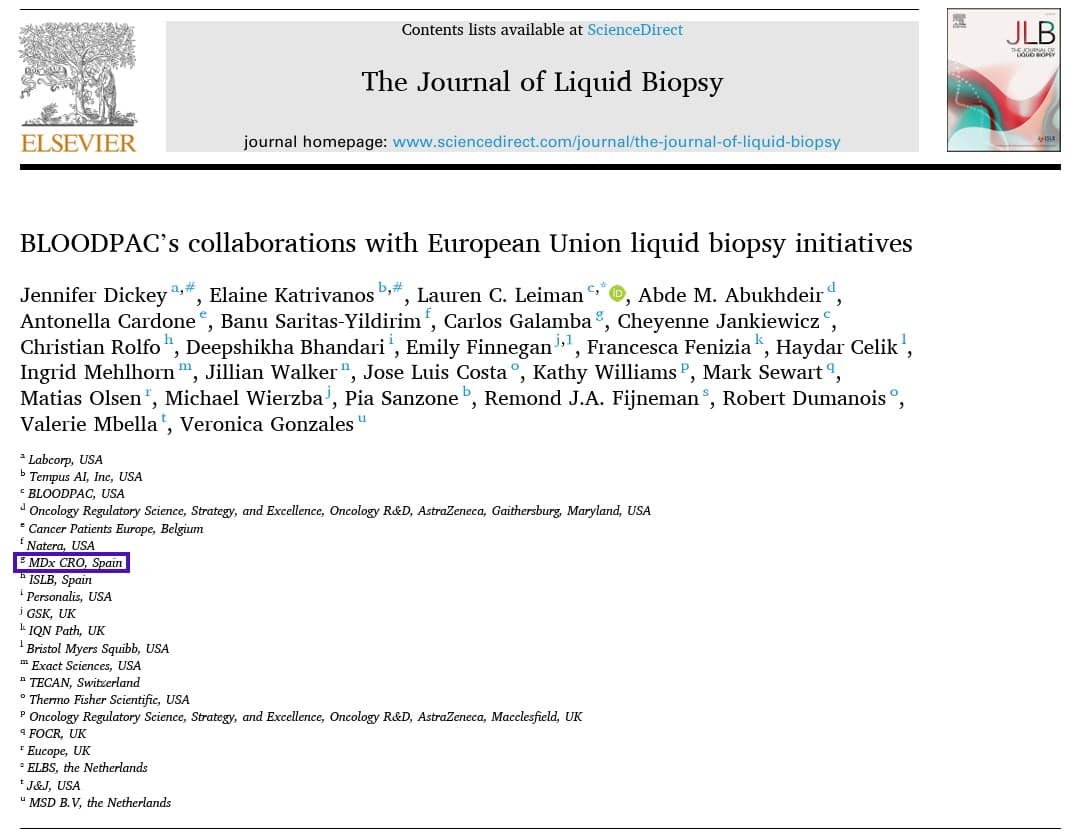
MDx CRO co-authors Journal of Liquid Biopsy paper on EU–US collaboration for IVDR-ready liquid biopsy validation

MDx CRO is proud to have contributed to the peer-reviewed article, “BLOODPAC’s collaborations with European Union liquid biopsy initiatives,” published in The Journal of Liquid Biopsy (Vol. 10, Article 100321; open access). The paper outlines practical pathways to align analytical validation, clinical performance evidence, and data standards that can accelerate European adoption of liquid biopsy under IVDR.

Carlos Galamba (CEO, MDx CRO) is listed among the authors, contributing European IVDR and clinical evidence expertise to this multi-stakeholder effort.

What the paper delivers (and why it matters)

  • Convergence on validation & evidence: It maps BLOODPAC’s US-developed minimum technical data elements and analytical validation protocols to EU needs—supporting more consistent clinical performance packages for IVDR submissions.
  • Data standards for reproducibility: The paper emphasizes fit-for-purpose standards and pre-competitive data sharing to improve comparability across clinical research for liquid biopsy, from cfDNA/ctDNA assay development to clinical use.
  • Practical EU–US collaboration: It proposes guidance and collaboration routes that can reduce variability across Member States and shorten time to patient access—without compromising IVDR rigor.

A broad coalition behind the work

The author affiliations span leading precision-medicine organizations and networks, including MDx CRO, Labcorp, Tempus AI, Natera, Exact Sciences, AstraZeneca, GSK, Bristol Myers Squibb, Johnson & Johnson, MSD, Thermo Fisher Scientific, TECAN, IQN Path, ELBS, EUCOPE, ISLB, Cancer Patients Europe, and BLOODPAC—a clear reflection of the field’s momentum toward shared, usable guidance.

MDx CRO’s contribution and perspective

Through our CEO, Carlos Galamba, MDx CRO contributed to this multi-stakeholder paper outlining practical EU–US collaboration to accelerate liquid biopsy adoption under IVDR. Our perspective aligns with the paper’s focus on:

  • IVDR-first evidence architecture that cleanly links intended use → analytical validation → clinical performance requirements for ctDNA/cfDNA assays.
  • Harmonized validation expectations by mapping BLOODPAC frameworks and data elements to EU evidence needs, supporting consistent submissions.
  • Clearer regulatory narratives that connect validation outcomes to performance claims and real-world clinical implementation.

“This contribution reflects MDx’s commitment to turning shared frameworks into credible, IVDR-ready evidence that speeds responsible patient access” – Carlos Galamba, CEO

For IVD developers: immediate takeaways

Think trans-Atlantic. Where appropriate, re-use US learnings and BLOODPAC frameworks to reduce duplication—while meeting EU requirements.

Design for IVDR from day zero. Lock pre-analytical variables and analytical validation plans that ladder to clinical performance claims.

Adopt shared data elements. Standardized data models future-proof submissions and enable cross-study comparisons for regulators and payers.

How we execute: turning frameworks into IVDR-ready evidence

1) Study architecture (IVDR-first)

We design from intended use → analytical validationclinical performance so claims, endpoints, and statistics line up from day one. For liquid biopsy (cfDNA/ctDNA), we predefine fit-for-purpose metrics (e.g., LoD/LoQ, precision, interference) and clinical endpoints (e.g., PPA/NPA, sensitivity/specificity).

2) Multisite execution (ISO 20916 aligned)

Feasibility and qualification of sites/labs, standardized pre-analytical controls (collection tubes, processing windows, storage), specimen logistics and chain-of-custody, risk-based monitoring, and documented deviation/CAPA management across centers.

3) Data you can trust (eCRF + eTMF)

We build validated eCRFs, enforce edit checks and audit trails, and maintain a complete eTMF/regulatory binder. Data dictionaries align with study objectives and, where appropriate, community data elements used in clinical research for liquid biopsy.

4) Analytical validation to clinical performance—without gaps

We run or coordinate liquid biopsy validation workstreams (method comparisons, reproducibility, cross-site concordance) and transition seamlessly into clinical performance studies so the evidence package is coherent under IVDR.

5) Reporting & regulatory narrative

IVDR-compliant documentation (Analytical Performance Report, Performance Evaluation Plan/Report, study reports), plus clear narratives that connect results to performance claims and labeling.

6) Governance & quality

Project governance with milestone dashboards, risk logs, vendor oversight, and audit-ready files under an ISO-driven clinical QMS.

Outcome: faster, cleaner submissions for IVDR liquid biopsy validation—and evidence that stands up to scrutiny.

Plan a study? Let’s map your assay’s intended use to the analytical validation and clinical performance evidence you’ll need.

Industry Insights & Regulatory Updates

COMBINE Programme: Streamlining EU Combined Studies for Medicines, Devices, and Diagnostics

Introduction to the COMBINE Programme

The European Union has taken a significant step towards streamlining combined studies involving medicinal products, medical devices, and in vitro diagnostics (IVDs) through the COMBINE Programme. Endorsed by national authorities across Member States, the programme aims to address long-standing challenges that hinder the efficiency of clinical trials and regulatory approvals under the Clinical Trials Regulation (CTR), Medical Device Regulation (MDR), and In Vitro Diagnostic Regulation (IVDR).

The Need for Streamlined Combined Studies

Combined studies, which investigate the use of multiple healthcare products—such as a medicinal product with a medical device or companion diagnostic—are essential for advancing patient care and supporting innovative treatments. However, the fragmented regulatory processes across the CTR, MDR, and IVDR create significant hurdles:

  • Administrative Complexity: Sponsors face parallel and often redundant assessment processes across Member States, leading to delays.
  • Ambiguities in Regulation: Overlapping requirements on reporting and classification of studies often result in confusion.
  • Harmonisation Gaps: Diverging approaches among national competent authorities slow down multi-country studies.

These challenges risk delaying the development and availability of critical healthcare solutions, impacting patients and stifling innovation.

The COMBINE Programme: A Collaborative EU Initiative

To overcome these challenges, the European Commission launched the COMBINE Programme, a cross-sector initiative designed to foster collaboration between regulatory authorities, ethics committees, and stakeholders. By unifying processes and addressing gaps at the interface of CTR, MDR, and IVDR, the COMBINE Programme sets out to:

  1. Simplify and harmonise the approval of combined studies across the EU.
  2. Improve collaboration between national competent authorities, the European Medicines Agency (EMA), ethics committees, and sponsors.
  3. Enhance Europe’s competitiveness in clinical research, aligning with the recommendations of the Draghi Report.

A Phased Approach to Change

The COMBINE Programme will be implemented over the coming years through seven cross-sector projects that focus on key areas such as piloting single assessment processes, harmonising serious adverse event (SAE) reporting, and enhancing advisory services for sponsors. The programme reflects a shared commitment to supporting innovation while ensuring patient safety and regulatory efficiency across the EU.

The Seven Cross-Sector Projects of the COMBINE Programme

The COMBINE Programme will be implemented through seven cross-sector projects, each addressing specific challenges in the regulatory landscape of combined studies. These projects represent a collaborative effort between national competent authorities, ethics committees, the European Medicines Agency (EMA), and other stakeholders to streamline processes, harmonise reporting, and improve advisory services for sponsors.

1. Piloting a Single Assessment Process for Multi-Country Combined Studies

  • Objective: Introduce a coordinated, unified assessment process for combined studies involving medicinal products, medical devices, and in vitro diagnostics across multiple EU Member States.
  • Why It Matters: Current processes require separate national submissions under different frameworks (CTR, MDR, and IVDR). This pilot project aims to reduce duplication, align timelines, and ensure a single, streamlined review process.
  • Outcome: A harmonised approach that accelerates study approvals, reduces administrative burden, and improves efficiency for sponsors conducting multinational combined studies.

2. Harmonisation of Serious Adverse Event (SAE) Reporting Processes

  • Objective: Align the reporting requirements for Serious Adverse Events (SAEs) across the CTR, MDR, and IVDR frameworks.
  • Challenges Addressed: SAEs are reported differently under each regulation, creating confusion and inefficiencies for sponsors and regulators. Lack of harmonised processes delays decision-making and impacts patient safety monitoring.
  • Outcome: A unified, consistent SAE reporting process that improves clarity, facilitates timely reporting, and ensures compliance across sectors.

3. Clarifying the Interface Between Clinical Trials and Medical Device Regulations

  • Objective: Resolve regulatory ambiguities where the Clinical Trials Regulation (CTR) intersects with the Medical Device Regulation (MDR) and IVD Regulation (IVDR).
  • Key Questions Addressed: When does a study require a Clinical Trial (CT), a Clinical Investigation (CI), or a Performance Study (PS)? How should combined studies be classified and approved under multiple regulatory frameworks?
  • Outcome: Clear, harmonised guidelines for sponsors and regulators to navigate the interface between these regulations, ensuring smoother approvals and regulatory compliance.

4. Enhancing Advisory Services for Sponsors

  • Objective: Explore new opportunities for providing coordinated, cross-sector advice to sponsors conducting combined studies.
  • Why It Matters: Sponsors often face uncertainty when designing combined studies due to fragmented regulatory advice. A lack of centralized guidance increases the risk of regulatory non-compliance and delays.
  • Outcome: Improved advisory mechanisms, such as coordinated pre-submission meetings, that help sponsors navigate regulatory complexities, streamline submissions, and accelerate study timelines.

5. Facilitating Knowledge Exchange Between National Authorities

  • Objective: Promote collaboration and knowledge sharing among national competent authorities, ethics committees, and regulatory bodies.
  • Key Actions: Establish platforms for cross-sector dialogue and exchange of best practices. Encourage joint discussions on shared challenges, such as study assessments, adverse event reporting, and ethical considerations.
  • Outcome: A stronger, more unified regulatory network capable of addressing challenges efficiently and supporting the successful implementation of combined studies across the EU.

6. Aligning Regulatory Timelines and Approval Processes

  • Objective: Harmonise the timelines and approval procedures for combined studies under the CTR, MDR, and IVDR frameworks.
  • Challenges Addressed: Variations in national processes and timelines result in delays, particularly for multi-country studies. Sponsors face inconsistent requirements, creating additional administrative burden.
  • Outcome: A coordinated approach that aligns national approval processes, ensures predictable timelines, and fosters greater consistency across Member States.

7. Strengthening Stakeholder Engagement for the COMBINE Programme

  • Objective: Foster open dialogue and collaboration with key stakeholders, including sponsors, clinicians, patient representatives, and ethics committees.
  • Why It’s Important: Involving stakeholders ensures that the solutions developed under the COMBINE Programme are practical, efficient, and patient-centric. Enhanced engagement helps address real-world challenges faced by industry and clinicians in conducting combined studies.
  • Outcome: Improved stakeholder collaboration that ensures the programme’s goals align with industry needs, supports innovation, and prioritises patient outcomes.

Driving Regulatory Innovation Through the COMBINE Programme

The seven cross-sector projects under the COMBINE Programme address the core challenges of combined studies by streamlining processes, clarifying regulatory requirements, and fostering collaboration across the EU. These efforts are essential for improving efficiency, reducing delays, and enabling the development of innovative treatments that combine medicines, medical devices, and diagnostics.

Why the COMBINE Programme Matters

The COMBINE Programme represents a pivotal step toward addressing the regulatory inefficiencies that have long challenged combined studies involving medicinal products, medical devices, and diagnostics. By introducing streamlined processes, harmonising reporting requirements, and fostering collaboration, the programme delivers tangible benefits for all stakeholders.

For Sponsors and Manufacturers: Streamlined Approval Processes

  • Simplified Submissions: The COMBINE Programme eliminates duplication by piloting a single assessment process for multi-country combined studies.
  • Reduced Administrative Burden: Sponsors will no longer have to navigate fragmented processes under the CTR, MDR, and IVDR, reducing time spent on regulatory paperwork.
  • Faster Approvals: Harmonised timelines and improved coordination across Member States will accelerate approvals for combined studies, enabling quicker market entry for innovative products.

For a sponsor conducting a clinical trial of a medicinal product alongside a performance study of an IVD, the single assessment process reduces redundant national submissions, ensuring a smoother and faster pathway to approval.

For National Competent Authorities and Ethics Committees: Improved Collaboration and Efficiency

  • Unified Approach: The programme fosters collaboration between national authorities, ethics committees, and the EMA, ensuring consistency in study evaluations.
  • Knowledge Sharing: By facilitating the exchange of best practices, authorities can address common challenges, such as adverse event reporting and interface ambiguities, more effectively.
  • Efficient Use of Resources: Coordinated assessment processes streamline workflows, reducing the strain on regulatory bodies and ensuring a more efficient allocation of resources.

For Patients: Faster Access to Innovative Treatments

  • Accelerated Innovation: By simplifying regulatory pathways, the COMBINE Programme ensures that groundbreaking treatments—such as combined therapies and diagnostics—reach patients more quickly.
  • Improved Safety: Harmonised serious adverse event (SAE) reporting enhances patient safety by ensuring timely and consistent monitoring across all regulatory sectors.
  • Personalised Medicine: Combined studies enable the development of advanced solutions, such as companion diagnostics paired with targeted therapies, leading to more tailored and effective treatment options.

In diseases like cancer, where combined studies often involve companion diagnostics and therapies, delays in approval can mean a delay in access to life-saving treatments. The COMBINE Programme aims to eliminate these delays, prioritising patient needs.

For the EU: Enhancing Global Competitiveness

  • Addressing Recommendations from the Draghi Report: The Draghi Report underscored the importance of regulatory efficiency in maintaining the EU’s leadership in clinical research and innovation. The COMBINE Programme aligns directly with these goals, strengthening Europe’s position as a global hub for clinical trials.
  • Attracting Global Studies: A streamlined, harmonised approach makes the EU more attractive for multinational combined studies, encouraging sponsors to invest in research within Europe.
  • Supporting Innovation Ecosystems: By addressing regulatory hurdles, the programme fosters an environment conducive to innovation, benefiting SMEs, manufacturers, and healthcare systems.

The COMBINE Programme positions Europe as a leader in integrated clinical research, ensuring the EU remains competitive in the rapidly evolving MedTech and pharmaceutical industries.

Driving Real-World Impact Across Sectors

By addressing the challenges of combined studies, the COMBINE Programme delivers a balanced solution that benefits all stakeholders. For sponsors, it reduces complexity and accelerates approvals. For regulators, it ensures efficiency and collaboration. Most importantly, for patients, it enables faster access to innovative treatments that improve healthcare outcomes.

The COMBINE Programme and EU Competitiveness

The COMBINE Programme is not only a solution to regulatory complexity but also a cornerstone of the EU’s broader strategy to maintain global competitiveness in clinical research and medical innovation. By streamlining processes and fostering collaboration, the programme positions Europe as a leading region for conducting combined studies that integrate medicinal products, medical devices, and diagnostics.

Addressing the Recommendations of the Draghi Report

The Draghi Report, which outlines key priorities for strengthening Europe’s economic and technological competitiveness, highlights the importance of a streamlined regulatory environment for innovation in clinical research. The COMBINE Programme directly supports these recommendations by:

  • Reducing Regulatory Complexity: Simplifying combined studies ensures a faster path from research to patient access, allowing Europe to stay ahead of global competition.
  • Promoting Innovation: A harmonised and efficient system encourages sponsors and manufacturers to invest in research and development within the EU.
  • Improving Market Access: By removing administrative barriers, new treatments can reach the market sooner, boosting Europe’s role as a leader in health innovation.

Strengthening the EU as a Global Hub for Clinical Research

1. Attracting Multinational Studies

Global sponsors often face challenges when navigating fragmented regulatory systems in the EU. The COMBINE Programme resolves these issues by:

  • Offering single, coordinated assessments for multi-country studies.
  • Harmonising timelines and reporting requirements under the CTR, MDR, and IVDR frameworks.

This streamlined approach makes the EU a more attractive destination for conducting global clinical studies, ensuring sponsors can leverage Europe’s vast expertise, resources, and patient access.

2. Fostering Cross-Sector Innovation

The growing trend of personalised medicine relies on combining medicinal products with diagnostic devices. The COMBINE Programme removes regulatory hurdles that delay the integration of:

  • Companion diagnostics: Ensuring that innovative treatments are paired with advanced diagnostics for targeted patient care.
  • Advanced therapies: Supporting innovative combined treatments for diseases such as cancer, cardiovascular conditions, and rare diseases.

By addressing these challenges, the EU fosters a dynamic environment where innovation can thrive across sectors, benefiting both industry and patients.

3. Supporting Small and Medium Enterprises (SMEs)

The COMBINE Programme simplifies regulatory pathways, which is particularly critical for SMEs in the MedTech and pharmaceutical sectors. These companies often face resource constraints when navigating complex regulations. By providing:

  • Clear guidance on the interface between CTR, MDR, and IVDR.
  • Access to advisory services for combined studies.
  • Predictable timelines through harmonised processes.

The programme ensures SMEs can bring innovative products to market faster, strengthening Europe’s innovation ecosystem.

Delivering Economic and Healthcare Benefits

The successful implementation of the COMBINE Programme will not only drive regulatory efficiency but also deliver far-reaching benefits across Europe:

Economic Growth:

  • Attracting more clinical trials and combined studies generates investments in research and development, boosting the EU economy.
  • Improved innovation pathways strengthen the global competitiveness of EU-based manufacturers and sponsors

Healthcare Advancements:

  • Patients benefit from accelerated access to cutting-edge treatments that combine medicinal products, medical devices, and diagnostics.
  • A harmonised system ensures safer, more effective healthcare solutions reach the market efficiently.

For a European SME developing an innovative therapy paired with a diagnostic IVD, the streamlined approval process reduces delays, allowing faster market entry and broader patient access.

The EU’s Vision for Clinical Research Leadership

Through the COMBINE Programme, the European Union reaffirms its commitment to fostering innovation, supporting collaboration, and maintaining its position as a global leader in clinical research. By addressing regulatory inefficiencies and harmonising processes, the programme ensures that Europe remains an attractive hub for sponsors, manufacturers, and researchers driving the next generation of medical advancements.

Key Takeaway

The COMBINE Programme is a critical initiative that strengthens Europe’s competitive edge in clinical research. By simplifying pathways for combined studies, fostering innovation, and aligning with strategic goals outlined in the Draghi Report, the programme sets the stage for economic growth, global leadership, and improved patient outcomes across the EU.

Implementation and Next Steps for the COMBINE Programme

The successful roll-out of the COMBINE Programme requires a structured, phased approach to ensure that its ambitious goals are achieved efficiently and effectively. By leveraging cross-sector collaboration, pilot projects, and continuous evaluation, the programme sets the stage for lasting regulatory improvements across the EU.

COMBINE Programme Phased Rollout

The COMBINE Programme will be implemented in three key stages over the coming years:

1. Stage 1: Pilot and Early Initiatives (2024–2025)

Key Focus:

  • Launch the pilot for a single assessment process for combined studies involving medicinal products and medical devices across multiple Member States.
  • Initiate harmonisation efforts for Serious Adverse Event (SAE) reporting, streamlining processes under the CTR, MDR, and IVDR

Actions:

  • Identify candidate combined studies for the single assessment pilot.
  • Establish cross-functional task forces to develop and test harmonised SAE reporting frameworks.

Outcome: Early learnings from pilot initiatives will inform best practices and provide actionable insights for scaling solutions across the EU.

2. Stage 2: Scaling and Integration (2025–2026)

Key Focus:

  • Expand successful pilot initiatives, integrating the single assessment process into broader multi-country studies.
  • Strengthen cross-sector collaboration by enhancing knowledge exchange between national authorities and ethics committees.

Actions:

  • Roll out the harmonised assessment framework to additional Member States.
  • Launch training programmes to support national authorities, ethics committees, and sponsors in implementing new processes.
  • Develop and publish clear interface guidance to resolve ambiguities between CTR, MDR, and IVDR.

Outcome: A more unified and harmonised approach to combined studies across Member States, improving regulatory efficiency and reducing delays.

3. Stage 3: Full Implementation and Evaluation (2026–2027)

Key Focus:

  • Achieve full implementation of the programme’s objectives, ensuring long-term sustainability and continuous improvement.
  • Monitor progress and evaluate the impact of the COMBINE Programme on EU clinical research and innovation.

Actions:

  • Conduct comprehensive evaluations of the programme’s milestones, assessing its success in streamlining combined studies and supporting stakeholders.
  • Strengthen engagement with sponsors, clinicians, and patient representatives to identify opportunities for further refinement.
  • Publish progress reports to share achievements, challenges, and next steps.

Outcome: A fully harmonised regulatory framework that makes the EU a global leader in supporting combined studies of medicinal products, medical devices, and diagnostics.

Key Stakeholders Driving Implementation

The successful implementation of the COMBINE Programme depends on collaboration among a wide range of stakeholders, including:

  • National Competent Authorities (NCAs): Leading the development and execution of pilot initiatives and harmonised frameworks at the Member State level.
  • European Medicines Agency (EMA): Providing regulatory expertise, scientific consultation, and coordination for multi-country studies.
  • Ethics Committees: Aligning ethical review processes with the programme’s streamlined assessment objectives.
  • Sponsors and Manufacturers: Engaging in pilot studies, providing feedback, and adopting new processes to improve study timelines and regulatory compliance.
  • Clinicians and Patient Representatives: Contributing real-world perspectives to ensure that the programme prioritises patient safety and healthcare innovation.

Monitoring Progress and Ensuring Accountability

To ensure the COMBINE Programme delivers its objectives, robust monitoring and evaluation mechanisms will be implemented:

  • Regular Progress Reports: Published at key milestones to assess the programme’s impact, identify challenges, and showcase achievements.
  • Feedback Loops: Stakeholder input, including sponsors, NCAs, and ethics committees, will be collected to refine processes and address emerging issues.
  • Performance Metrics: Defined to measure success, including:
    • Reduction in approval timelines for multi-country combined studies.
    • Increased consistency in serious adverse event reporting.
    • Improved clarity on the interface between clinical trials and medical device regulations.

Building a Sustainable Future for Combined Studies

The COMBINE Programme is not just a short-term solution but a long-term framework for driving innovation and efficiency in EU clinical research. By fostering collaboration, aligning processes, and prioritising continuous improvement, the programme ensures that Europe remains at the forefront of healthcare innovation.

What’s Next for Stakeholders?

As the COMBINE Programme progresses, stakeholders can expect:

  1. Opportunities to Participate in Pilots: Sponsors and manufacturers are encouraged to engage with pilot projects for the single assessment process.
  2. Clearer Guidance: Publication of harmonised frameworks and interface clarifications to reduce regulatory ambiguity.
  3. Improved Communication: Enhanced dialogue between regulators, sponsors, ethics committees, and patient representatives.

By working together, all stakeholders can contribute to the success of the COMBINE Programme, ensuring it delivers its vision of a harmonised, streamlined regulatory environment for combined studies.

Key Takeaway: The phased implementation of the COMBINE Programme marks a transformative shift in the EU’s approach to combined studies. Through pilots, collaboration, and continuous evaluation, the programme sets the foundation for faster, more efficient approvals that benefit sponsors, regulators, and—most importantly—patients.

Conclusion: A Unified Vision for Combined Studies

The COMBINE Programme marks a pivotal step in the European Union’s commitment to creating a harmonised, efficient, and collaborative regulatory framework for combined studies. By addressing long-standing challenges at the intersection of the Clinical Trials Regulation (CTR), Medical Device Regulation (MDR), and In Vitro Diagnostic Regulation (IVDR), the programme sets a clear path toward innovation, competitiveness, and improved patient care.

Transforming Regulatory Efficiency

Through its seven cross-sector projects, the COMBINE Programme delivers concrete solutions to streamline combined studies:

  • Simplifying approvals with a single assessment process for multi-country studies.
  • Aligning serious adverse event (SAE) reporting across sectors to ensure safety and consistency.
  • Clarifying regulatory interfaces to resolve ambiguities between clinical trials and device regulations.
  • Fostering collaboration among national competent authorities, ethics committees, and stakeholders to promote knowledge exchange and efficiency.

These efforts reduce administrative burdens, harmonise timelines, and improve access to clear, actionable regulatory guidance.

COMBINE Programme Supporting Innovation and Competitiveness

By eliminating regulatory fragmentation and ensuring consistent, coordinated processes, the COMBINE Programme positions the EU as a global leader in clinical research and medical innovation.

  • Sponsors and manufacturers benefit from faster approvals and streamlined pathways, enabling them to bring innovative treatments to market more efficiently.
  • Patients gain quicker access to integrated healthcare solutions, including advanced therapies, medical devices, and companion diagnostics.
  • National authorities and ethics committees operate within a more efficient, harmonised framework, reducing duplication and ensuring safety.

In alignment with the Draghi Report recommendations, the COMBINE Programme strengthens Europe’s competitive edge, attracting global investment and driving economic growth in the MedTech and pharmaceutical sectors.

Looking Ahead: A Future of Innovation and Collaboration

The COMBINE Programme is more than a regulatory initiative; it is a transformative vision for the future of clinical research in the EU. By fostering collaboration, harmonising processes, and streamlining combined studies, the programme paves the way for a new era of healthcare innovation.

As Europe continues to lead the charge in medical and clinical advancements, the COMBINE Programme will play a critical role in ensuring that innovative treatments reach patients faster, safer, and more effectively.

Key Takeaway: The COMBINE Programme unifies the efforts of regulators, stakeholders, and innovators to streamline combined studies, strengthen Europe’s leadership in clinical research, and deliver groundbreaking healthcare solutions to patients across the EU.

Call to Action for the COMBINE Programme

Are you planning or conducting a combined study involving medicines, medical devices, or diagnostics? The MDx team is here to help you navigate the complexities of the COMBINE framework. Contact us today to streamline your regulatory strategy and ensure the success of your combined study.

Get in touch with the MDx team now to accelerate innovation and bring your study to life!

Industry Insights & Regulatory Updates 2

MDCG 2020-16 Rev.3: IVDR Classification Rules

MDCG 2020-16 is a key document outlining the classification rules for in vitro diagnostic medical devices (IVDs) under the EU IVDR. Revision 3 of this guidance document introduces specific changes aimed at improving clarity and compliance within the IVD sector, thereby ensuring the safety and performance of devices placed on the market. By detailing the classification rules set out in Annex VIII of the IVDD, the document helps to resolve potential ambiguities, thereby facilitating a more effective application of the regulations.

This article is structured into two main sections: the first part outlines the specific updates and clarifications introduced in Rev.3 of the guidance; the second part provides an analysis of significant IVD categories including Companion Diagnostics (CDx), Next-Generation Sequencing (NGS), self-testing, and Near-Patient Testing (NPT) in the MDCG 2020-16.

Key Updates in MDCG 2020-16 Rev.3

Definition of ‘Kit’

A significant addition in Rev.3 is the formal definition of a ‘kit’, which states: “‘Kit’ means a set of components that are packaged together and intended to be used to perform a specific in vitro diagnostic examination, or a part thereof.”

Rule 3(a)

Now includes Monkeypox Virus in the list of examples.

Rule 4(a)

The MDCG 2020-16 rev.3 includes clarifications for self-testing IVDs.

Clarification in the classification for self-testing.

  • Devices for detecting pregnancy, fertility, and cholesterol levels in any specimen, along with those for glucose, erythrocytes, leukocytes, and bacteria in urine, are classified as Class B.
  • If a device detects both a Class C marker and a marker listed as an exception (Class B), the device will be classified as Class C according to implementing rules 1.8 and 1.9.
  • Devices meeting certain criteria under implementing rules 1.8 and 1.9 are classified as Class D, including self-testing kits for HIV detection from a fingerprick blood sample.

Information Society Services:

  • The updates clarify the role of information society services in self-testing, stating that devices intended for such services are considered self-testing devices when lay persons perform part of the testing procedure, like adding reagents or placing the specimen on a test cassette. Importantly, actions solely required for collecting the specimen or ensuring its integrity and stability do not qualify the device as for self-testing.

Standalone Specimen Receptacles:

  • The revisions specify that standalone specimen receptacles and kits intended solely for specimen collection by laypersons, even those offered through information society services, are not considered devices for self-testing.

Clarification in the examples 

  • Meters and strips with integrated testing reagents for self-testing of capillary blood glucose are classified in Class C.
  • Devices intended to measure levels of calprotectin, where the lay person collects the stool specimen, performs the testing procedure using the test cassette, and sends an image of the result for interpretation by a healthcare professional, are also in Class C.
  • Self-testing kits for the detection of HIV antibodies from a fingerprick blood sample are classified in Class D.

Rule 5(c)

The guidance includes the rationale and additional examples.

Classification and Definition:

  • Specimen receptacles are defined as containers or tubes (evacuated or non-evacuated), which may be empty or prefilled with a fixative solution or other general reagent. These are intended for primary containment, preservation, transport, and storage of biological specimens such as cells, tissues, urine, and feces for the purpose of in vitro diagnostic examinations.
  • These receptacles are classified as Class A under IVDR, highlighting their fundamental role in sample collection without any integrated testing functions, ensuring the integrity and stability of the specimens.

Integration in Kits:

  • Specimen receptacles can be marketed as standalone devices or as components of kits intended for specimen collection or testing.
  • Kits intended for specimen collection must include at least one IVD component (the specimen receptacle) and may contain other non-IVD components. Such kits are typically classified as Class A, in alignment with the classification of the included specimen receptacle.

Actions by Users:

  • The use of these devices or kits may require actions by the user, such as mouthwash, gargling, pipetting, or buffer addition to ensure specimen integrity. These actions are defined in the instructions for use (IFU) and are not considered part of the testing procedure.

Market Placement and Combination Use:

  • Specimen receptacles and kits intended for specimen collection can be marketed separately but are intended to be used in combination with another IVD. In such cases, implementing rule 1.2 applies, and both the receptacle and the other IVD should be classified independently.
  • If a specimen collection kit is used by lay persons and includes steps that are part of the testing procedure, then the entire kit is considered a device for self-testing as per Rule 4. However, the specimen receptacle itself, within such a kit, is not considered a device for self-testing.

Examples Clarifying Usage and Classification:

  • Standalone Devices: Examples like a urine collection cup, stool container, saliva collection tube, or a blood spot collection card are all classified as Class A.
  • Kits for Lay Use: Standalone kits for layperson use, such as those for collecting saliva for SARS-CoV-2 detection or stool for fecal occult blood testing in colorectal cancer screening, are also in Class A. These kits may include additional components like a plastic stick for sample collection and a pre-filled tube for conservation and transport, yet still retain a Class A classification.

Rule 6

Includes a change in the example of the device intended for the detection of Influenza A/B virus, from non-pandemic to highly virulent.

Classification of Key Diagnostic Tools in the MDCG 2020-16 Rev.3

Next Generation Sequencing (NGS)

NGS technology plays a central role across various diagnostic applications within the MDCG 2020-16 Rev.3 document:

Companion Diagnostics (CDx) (Rule 3(f), Page 24): NGS is essential for identifying genetic variants that influence the efficacy of specific medical treatments, thereby supporting personalized medicine by enabling tailored therapeutic strategies.

Cancer Diagnostics and Staging (Rule 3(h), Page 27): NGS is utilized for comprehensive cancer screening, diagnosis, and staging. This involves detailed analysis of cancer-related genes, which is crucial for developing precise treatment plans and managing patient care effectively.

General Laboratory Use (Rule 5(a) and 5(b), Pages 40-41):

  • Rule 5(a): NGS is specifically mentioned in the context of “Library Prep reagents for the preparation of DNA for downstream analysis by NGS sequencing.” This example highlights the role of NGS in preparing genetic material for detailed analysis, reflecting its importance in the preliminary steps of genetic testing.
  • Rule 5(b): Instruments that enhance the utility of NGS, such as “PCR thermocyclers, sequencers for NGS applications, and clinical chemistry analyzers,” are listed. These devices are integral to executing NGS procedures, demonstrating the technology’s critical role in performing complex genetic analyses within laboratory settings.

Companion Diagnostics (CDx) in the MDCG 2020-16 Rev.3

Rule 3(f), Page 22: Companion diagnostics are defined as essential devices for the safe and effective use of corresponding medicinal products. These devices are crucial for:

  • Identifying patients who are most likely to benefit from a specific therapeutic product, thereby optimizing treatment efficacy.
  • Detecting risks of adverse reactions, crucial for minimizing potential negative effects from treatments.

CDx must be explicitly linked to a medicinal product identified by an International Non-proprietary Name (INN), emphasizing their integral role in targeted therapy regimes.

Rule 3(f), Page 22: This rule outlines the regulatory framework for CDx, highlighting their use before or during treatment. This flexibility allows for adjustments in therapy based on patient responses and biomarker changes over the course of treatment, ensuring ongoing efficacy and safety.

CDx have transformative implications across various medical fields:

  • Oncology: Tests like those for ALK protein or PD-L1 expression determine eligibility for targeted cancer therapies, significantly improving outcomes in conditions like NSCLC.
  • Chronic and Genetic Diseases: Genetic tests for mutations in genes such as DPYD help predict metabolism of drugs like fluorouracil, preventing severe side effects in metabolically compromised patients.

Page 24, Rule 3(f): MDCG 2020-16 Rev.3 provides several examples:

  • Genetic Variants: Devices that detect KRAS/NRAS variants are crucial for colorectal cancer treatment decisions.
  • Biomarker Detection: Immunohistochemical devices for PD-L1 help determine eligibility for immunotherapy in cancer treatment.
  • Next-Generation Sequencing (NGS): NGS-based CDx assess multiple genetic variants, aiding in comprehensive treatment decisions for multifactorial diseases.

Annex II: Decision Flowchart Rule 3(f): Includes a flowchart to assist in determining whether an IVD qualifies as a CDx. This tool is vital for navigating the regulatory landscape, ensuring correct classification and utilization in line with therapeutic contexts.

Self-testing references in the MDCG 2020-16

Rule 4(a) on Page 37: Self-testing devices are intended for use by laypersons and require designs that ensure ease of use, reliability, and accuracy. This rule ensures that these devices, used outside traditional clinical settings, meet rigorous safety standards to prevent misuse and potential harm.

Near-Patient Testing references in the MDCG 2020-16

Rule 4(b) on Page 39: Near-patient testing devices are classified distinctly to ensure they provide rapid and reliable results essential for immediate clinical decision-making. These devices are crucial in settings like emergency rooms or clinics where quick diagnostic information is vital.

Conclusion

MDCG 2020-16 Rev.3 introduces  clarifications that enhance the regulatory framework for IVD devices within the EU.

By refining the definitions and classifications of key diagnostic tools, including Companion Diagnostics, Next-Generation Sequencing, self-testing, and Near-Patient Testing devices, this guidance ensures guidance for manufacturers and stakeholders.

Written by:
Alice Toomey-Smith

Alice Toomey-Smith

Regulatory Director, IVD

Quality & Regulatory Affairs leader with global IVD expertise, guiding products to compliance across EU IVDR, FDA & beyond.
Industry Insights & Regulatory Updates

IVDR Performance Studies and the ISO 20916:2024 Revision

ISO 20916: Introduction

ISO 20916, “Clinical performance studies using specimens from human subjects – Good study practice” was first published in 2019 and recently released as EN ISO 20916:2024 (European Standard) at the end of March 2024, harmonizing IVDR Performance Studies with this latest revision.

In the rapidly evolving landscape of in vitro diagnostic (IVD) medical devices, maintaining the highest standards of safety and performance is paramount. ISO 20916 stands as a cornerstone in this endeavor, providing a framework for the quality and reliability of IVDs used in clinical performance studies employing human subject specimens.

This standard encapsulates comprehensive practices for planning, designing, conducting, recording, and reporting clinical performance studies for IVD devices. It lays down the foundational principles and specifies general requirements aimed at assessing clinical performance and safety for regulatory purposes. It has been meticulously designed to ensure that IVDs meet stringent criteria, thereby safeguarding public health and enhancing patient outcomes. It is intended to aid regulatory compliance, ensuring studies yield robust, ethical, and reliable results.

MDx will host a live free webinar on “Preparing for IVDR Clinical Performance Studies under ISO20916 and the new annex ZA” on the 30th April 2024 at 5pm CET. Register here.

The importance of Annex ZA of ISO 20916:2024 in IVDR performance studies

At the end of March 2024, the IVD community witnessed a significant milestone with the publication of a new revision of ISO 20916 which harmonizes IVDR performance studies. While the standard was already referenced in the text of the IVDR, this revision is particularly notable for the inclusion of Annex ZA, which finally harmonizes the standard with the In Vitro Diagnostic Regulation (IVDR) (Regulation (EU) 2017/746).

This harmonization of performance studies marks a critical step in aligning the standard with the comprehensive requirements set forth by the IVDR, thus facilitating a more streamlined regulatory pathway for IVD manufacturers. The significance of Annex ZA cannot be overstated. It bridges the gap between ISO 20916 and the IVDR, providing a clear and actionable framework for manufacturers to achieve compliance.

The text of ISO 20916:2019 has been approved by CEN (the European Committee for Standardization) as EN ISO 20916:2024 without any modification. This inclusion is a strategic enhancement, reinforcing the standard’s relevance and applicability in the regulatory landscape.

Note: As of the date this article was written, the official recognition of ISO 20916:2024 as an IVDR harmonized standard for clinical performance studies in the European Union’s Official Journal was awaiting confirmation.

Success in IVD Clinical Performance Studies with MDx CRO

At MDx CRO, we navigate the complexities of IVDR and the latest ISO 20916 revision for in vitro diagnostic (IVD) studies with unmatched expertise. Our commitment to rigorous clinical operations ensures that every clinical performance study meets all regulatory standards, incorporating strategic risk management and adaptability for maximum compliance and integrity.

Partnering with us offers manufacturers a significant advantage, rigorously evaluating IVDs to ensure adequate performance and safety, a critical component of regulatory approvals.

Choose MDx CRO for excellence in IVD clinical performance studies, driving success and enhancing patient outcomes. Contact us for a discussion today!

Highlights from Annex ZA include:

  • Presumption of Conformity: Compliance with the normative clauses of ISO 20916, as specified in Table ZA.1, confers a presumption of conformity with the corresponding GSPRs of the IVDR. This presumption is a testament to the robustness of the standard in meeting regulatory expectations.
  • Definition Clarification: Where differences arise between definitions in ISO 20916 and those in the IVDR, Annex ZA ensures clarity by highlighting these differences. The annex prioritizes the definitions set out in the IVDR, underscoring the regulation’s primacy.
  • Risk Management Alignment: The annex emphasizes the necessity of aligning the risk management process in EN ISO 20916:2024 with the IVDR. This alignment ensures that risks associated with IVDs are “reduced as far as possible”, in accordance with the regulation’s stringent requirements. In addition, ISO 20916 does not include foreseeable misuse in the risk management process, as required by IVDR.
  • Manufacturer’s Policy on Acceptable Risk: Annex ZA clarifies that the manufacturer’s approach to determining acceptable risk must adhere to specific GSPRs (i.e. 1, 2, 3, 4, 5, 8, 10, 11, 13, 15, 16, 17, 18 and 19) outlined in the IVDR. Furthermore, when reducing risks, sponsors, CROs, manufacturers and other stakeholders should note that while ISO 20916 does not include user training as a risk reduction measure, this is indeed allowed under IVDR.

Synergies between ISO 20916 and IVDR:

  • IVDR clinical performance parameters: Generally aligned between ISO 20916 and IVDR, however note that ISO 20916 does not mention “expected values in normal and affected populations” as a clinical performance parameter.
  • Ethical considerations: Generally aligned but ISO 20916 is a lot more prescriptive when compared to IVDR, defining ethical considerations and responsibilities for all parties involved, including principal investigators and sponsors.
  • Measures to minimise bias in study design: ISO 20916 further defines specific areas that should be considered when avoiding bias, including population bias, bias in the test protocol, bias in the reference measurement procedure, etc.
  • Site qualification: ISO 20916 provides a more detailed framework for site qualification, covering several criteria, including investigator qualifications, adequate resources and facilities, validated equipment , lab’s quality management system etc.
  • Clinical performance study report (CPSR): ISO 20916 is in general a lot more prescriptive on the contents of the clinical performance study report. Additional requirements are provided for interventional and other performance studies involving risks to the subjects.
  • Comparator devices used in an IVD performance study: Generally aligned, but ISO 20916 defines further how comparator IVDs should be listed, including their commercial name, manufacturer and catalogue number for example.
  • Investigators Brochure (IB) for Annex XIV studies: both IVDR and ISO 20916 are aligned. Annex C in ISO 20916 is dedicated to the contents of the IB. In addition ISO 20916 is a lot more prescriptive than IVDR on requirements related to risk management and risk-benefit analysis that need to be described in the CPSP and IB.

Differences to be aware of:

  • Differences in Annex XIV studies (and IVDR article 58): The definitions of an Annex XIV study in IVDR (i.e. interventional and other performance studies involving risks to the subjects) are different from ISO 20916. Although Annex ZA considers both the standard and regulation to cover the same elements and therefore being aligned, the description of what is in essence an Annex XIV study is different when we look at the detail. For example, the IVDR recognizes surgically invasive sample taking as being an Annex XIV study, while ISO 20916 does not use this terminology.
  • Adverse events: Although both IVDR and ISO 20916 are considered aligned, there are differences in the categorization of adverse events occurring in clinical performance studies. ISO 20916 provides two main types of events: non-device-related and device-related, and further categorizes this into non-serious and serious, anticipated, and non-anticipated. The IVDR is not as prescriptive in this area.
  • Clinical performance study plan (CPSP): ISO 20916 is more prescriptive on the specimen details to be listed in the CPSP, including their storage. In addition, ISO 20916 does not require reference to the current state of the art in diagnosis and/or medicine, whereas this is a requirement from IVDR. Last but not least, ISO 20916 has specific requirements for the CPSP synopsis.
  • Monitoring plan: ISO 20916 is a lot more prescriptive on the requirements for the monitoring plan, including qualification and training of monitors. According to ISO 20916 sponsors can also develop a rationale for remote monitoring. In addition, whereas IVDR requires that sponsors appoint a monitor independent of the investigation site, this point is not mandated by ISO 20916.
  • Informed Consent: A lot more detail is provided in ISO 20916 when compared to IVDR. The standard offers a detailed framework for obtaining informed consent.

Who Benefits from EN ISO 20916:2024?

  • Manufacturers of in vitro diagnostic medical devices
  • In vitro diagnostic clinics and laboratories
  • Test centres for in vitro diagnostic medical devices
  • Regulatory authorities
  • IVDR Notified Bodies
  • IVD Clinical research organizations (CROs)
  • Investigators and sponsors

Advantages of Adopting EN ISO 20916 for IVD Performance studies

  • Robust Results: It ensures high-quality, accurate, and reliable data generation, pivotal for safe healthcare decisions.
  • Ethical Standards: It upholds the rights, safety, dignity, and well-being of study subjects.
  • Study Planning and Conduct: It facilitates the meticulous planning and execution of IVD performance studies, ensuring regulatory and ethical compliance alongside scientific validity.
  • Compliance and Clarity: It provides a framework for compliance with IVDR, clarifying roles and responsibilities of all parties involved.
  • Risk Management: It emphasizes subject safety, especially regarding specimen collection risks, and ensures data integrity.

Implications for IVD Performance Studies and CRO Services

The integration of ISO 20916 with the IVDR, highlighted by the inclusion of Annex ZA, significantly transforms IVD clinical performance studies and CRO operations. This crucial alignment demands a comprehensive revision in study design, execution, and reporting methodologies, highlighting the importance of compliance with the unified ISO 20916 and IVDR standards. It emphasizes the need for robust quality and risk management systems and ethically responsible study development.

This evolution signifies more than standard adherence; it represents a commitment to elevating IVD performance and efficacy in line with the highest EU regulatory standards. It requires IVD stakeholders, including CROs, sponsors and manufacturers, to deeply understand and agilely apply these standards, not only for compliance but to set new quality and safety benchmarks in diagnostics.

This commitment is fundamental to advancing patient care and public health, marking a significant step forward in regulatory compliance and industry excellence.

Since its foundation, MDx CRO has consistently used ISO 20916 as the benchmark for all our IVD clinical performance studies. The release of Annex ZA and its harmonization with IVDR reinforces our status as the leading CRO for IVD clinical performance studies.

Written by:
Carlos Galamba

Carlos Galamba

CEO

Senior regulatory leader and former BSI IVDR reviewer with deep experience in CE marking high-risk IVDs, companion diagnostics, and IVDR implementation.
Industry Insights & Regulatory Updates

MDx: Your Dedicated CRO for IVD Clinical Studies in the EU

Introduction

In the rapidly evolving world of in vitro diagnostics (IVD), manufacturers are increasingly understanding the need for rigorous clinical performance studies. Such studies form the backbone for ensuring the safety, efficiency, and overall market readiness of IVD devices. With the European Union’s (EU) stringent regulatory environment, conducting these studies requires expertise and precision. That’s where MDx CRO, a trusted name in IVD Contract Research and regulatory consulting, stands out.

Why are IVD Clinical Studies Imperative?

  • Evidence-based Decision Making: Clinical performance studies furnish the data that can prove the diagnostic accuracy, precision, and utility of IVD devices. They help manufacturers refine their offerings and justify their product claims.
  • Regulatory Adherence: Ensuring compliance with the EU’s In Vitro Diagnostic Regulation (IVDR) and standards like ISO 20916 is non-negotiable. Clinical studies often form the bedrock in gaining these credentials and opening up the European market.

Navigating the Challenges with MDx CRO

Whether you’re a fledgling startup or an established IVD giant, challenges like site selection, study design, effective monitoring, and regulatory adherence can be daunting. This is where MDx CRO can be your guiding light:

  • Proven Expertise: With its legacy in the IVD realm and former Notified Body experts on board, MDx CRO offers unparalleled insights into effective study design, ensuring manufacturers derive actionable insights every time.
  • Network of Clinical Sites: Owing to its years in the industry, MDx CRO has built strong affiliations with leading clinical sites, guaranteeing timely and efficient study conduct.
  • Regulatory Insight: Navigating the IVDR and ISO 20916 maze becomes simpler with MDx CRO’s regulatory consulting wing, which ensures manufacturers always stay on the right side of the law.
  • End-to-End Monitoring: With a keen focus on detail, MDx CRO ensures every study stays on track, protocols are maintained, and data integrity remains uncompromised.

Why MDx CRO?

Simply put, MDx CRO isn’t just a service provider – it’s a partner in your IVD journey. Our seasoned team understands the unique challenges IVD manufacturers face, making them an indispensable asset in your product’s journey from concept to the European market.

Conclusion

IVD clinical studies, while challenging, present a golden opportunity to IVD manufacturers to rigorously validate their product’s claims. In the intricate web of EU regulations, manufacturers need more than just expertise; they need a partner. And who better than MDx CRO, which has consistently demonstrated excellence in study design, monitoring, and ensuring complete regulatory compliance? Choose MDx CRO, and let’s work together to bring transformative and reliable IVD devices to the EU market.

FAQs about IVD Clinical Studies and MDx CRO:

  1. What are IVD Clinical Studies?
    • IVD clinical studies refer to rigorous research and evaluations conducted to determine the safety, efficiency, and overall performance of in vitro diagnostic (IVD) devices.
  2. Why are IVD Clinical Studies important in the EU?
    • The EU has stringent regulatory requirements. IVD clinical studies provide the necessary evidence to support product claims, ensuring compliance with the EU’s In Vitro Diagnostic Regulation (IVDR) and international standards like ISO 20916.
  3. What challenges can manufacturers expect while conducting IVD studies in the EU?
    • Manufacturers may face challenges like site selection, creating an effective study design, regular study monitoring, and ensuring compliance with EU regulations and standards.
  4. How does MDx CRO help with these challenges?
    • MDx CRO offers expertise in study design, has affiliations with top clinical sites, provides regulatory consulting for EU standards, and ensures end-to-end study monitoring to maintain the quality and integrity of data.
  5. Is MDx CRO suitable for both startups and established manufacturers?
    • Absolutely! Whether you’re a startup entering the IVD market or a seasoned manufacturer, MDx CRO’s tailored solutions cater to the unique needs of every client.
  6. How does MDx CRO ensure compliance with the IVDR and ISO 20916?
    • MDx CRO boasts a regulatory consulting wing with deep knowledge of IVDR and ISO 20916, ensuring manufacturers receive accurate guidance and assistance throughout their IVD device’s journey to the market. Our team of former Notified Body experts on board help design studies that meet CE mark expectations
  7. What advantages does MDx CRO offer in terms of site selection for IVD studies?
    • With its extensive experience and industry connections, MDx CRO has built relationships with leading clinical sites for a variety of technologies and clinical applications, ensuring timely and efficient study initiation and execution.
  8. How does partnering with MDx CRO impact the success rate of IVD devices in the EU market?
    • With MDx CRO’s comprehensive services, from design to monitoring and regulatory guidance, manufacturers enhance their chances of a successful and compliant IVD product launch in the EU.
  9. Where can I learn more about MDx CRO’s success stories or case studies?
    • It’s best to reach out to MDx CRO directly or visit our website for detailed testimonials, case studies, and more insights into our work.
Written by:
Carlos Galamba

Carlos Galamba

CEO

Senior regulatory leader and former BSI IVDR reviewer with deep experience in CE marking high-risk IVDs, companion diagnostics, and IVDR implementation.
Industry Insights & Regulatory Updates