Spanish IVD Regulation 2025 – New Royal Decree Updates for IVD Manufacturers, Sponsors, and Labs

On 21 October 2025, the Council of Ministers approved Spain’s new Royal Decree for in vitro diagnostic devices. AEMPS confirmed the approval and explained that the decree complements IVDR (EU) 2017/746, strengthens patient protection, and adds national rules on language, in-house manufacturing, performance studies, and vigilance. This development anchors the Spanish IVD Regulation 2025 and sets clear obligations for manufacturers, sponsors, and laboratories. (Official announcement: AEMPS)

Spanish IVD Regulation 2025: What Changed and Why It Matters

The Spanish IVD Regulation 2025 replaces Royal Decree 1662/2000. It clarifies how IVDR applies in Spain and fills Member-State choices, including competent authority, language regime, Article 5(5) in-house devices, genetic testing and counseling, a national marketing register, performance study authorization, and vigilance and market control.

The regulation aims to raise quality, ensure traceability, and speed up corrective actions. It also improves access to certain self-tests through pharmacy channels.

Quick Guide for Busy Teams (Manufacturers, Sponsors, Labs)

  • Confirm what the Spanish IVD Regulation 2025 changes for your role.
  • Map licensing, registration, language, Article 5(5), ISO 15189, performance studies, and vigilance to owners and deadlines.
  • Prepare Spanish-language materials and set up traceability and incident reporting workflows.
  • Labs should plan ISO 15189 and Article 5(5) notifications to AEMPS.

Competent Authority and Language Rules under the Spanish IVD Regulation 2025

AEMPS is the competent authority for IVDs in Spain. Under the Spanish IVD Regulation 2025, user-facing materials for devices marketed in Spain must appear in Spanish. That includes labels, IFU, and safety notices. Regulatory submissions to AEMPS should include Spanish content. Co-official languages may be added, but Spanish is mandatory.

Facility Licensing: Manufacturers, Sterilizers, and Importers

The Spanish IVD Regulation 2025 requires operating licenses for manufacturers, sterilizers, and importers before they place devices on the market. AEMPS evaluates facilities, personnel, and quality systems.

Each site must appoint a Technical Responsible Person (national role) and meet IVDR oversight led by a PRRC. One qualified person can cover both if they meet the criteria.

Transitional rule: Existing third-party manufacturers get up to one year from entry into force to secure the new license. Existing licenses remain valid until renewal or change, which then follow the new procedure.

Marketing Register and Traceability

The decree creates a Spanish marketing register for devices placed on the market. Manufacturers, authorized representatives, and importers must notify product information to support traceability and market surveillance. The register complements EUDAMED and UDI.

Transitional rule: Spain will activate notifications when the register is operational. Until then, use existing national channels.

In-House Devices (Article 5(5) IVDR): What Labs Must Do Now

Scope and intent

The Spanish IVD Regulation 2025 regulates in-house IVDs made and used within the same health institution. Labs must justify need: a commercial CE-marked device cannot meet the specific clinical need. No industrial-scale production. No commercial supply to third parties.

Quality and documentation

In-house devices must meet IVDR GSPRs. Labs should keep a technical file (intended purpose, risk management, analytical and clinical performance, V&V, SOPs, and labeling for internal use).

ISO 15189 accreditation

Labs that manufacture in-house devices must obtain ISO 15189 accreditation for the manufacturing scope. Spain ties this to the transitional schedule.

Notification to AEMPS

Before starting in-house manufacture, labs must notify AEMPS and submit the Article 5(5) declaration. They must designate a responsible person for the in-house manufacturing process.

Genetic Testing: Information and Counseling

The Spanish IVD Regulation 2025 requires clear information and appropriate counseling for genetic testing. Health professionals must explain limits, implications, and result interpretation. This duty applies before and after testing.

Health professionals and centers must obtain explicit informed consent from individuals before performing a genetic test. The patient must be made aware of the nature and purpose of the test and consent in writing (except where law may exempt certain public health screening). This goes beyond standard consent, recognizing the personal and familial implications of genetic data.

Before the test, patients should be informed about what the test can and cannot tell them, and after the test, a qualified professional should explain the results and any recommended follow-up. This requirement ensures genetic tests (such as those for hereditary disease risk) are not delivered without context or support, helping patients make informed decisions.

These obligations apply to genetic IVDs regardless of whether they are done in-house or as commercial tests. For example, a direct-to-consumer genetic test kit (if allowed on the market) would need to be accompanied by processes that ensure the purchaser gets necessary information and counseling. However, most genetic tests are administered in clinical settings; the decree effectively standardizes the practice of genetic counseling as part of testing.

Performance Studies in Spain

All performance studies in Spain must first obtain a favorable opinion from an accredited Research Ethics Committee (REC) and authorization from the health center’s management where the study will be conducted. This applies to any study using human specimens or data for evaluating an IVD’s performance, ensuring ethical considerations (informed consent, data protection, etc.) are addressed early.

When you need authorization

Interventional clinical performance studies and other studies involving risks require AEMPS authorization before first participant. Ethics approval remains mandatory.

What sponsors must prepare

  • Spanish protocol (CPSP), Investigator’s Brochure, and informed consent.
  • Insurance/indemnity for participants and a clear liability framework. The decree explicitly requires compensation for damages and defines the liability regime for sponsors. Sponsors should budget for a clinical trial insurance policy and follow the decree’s rules on coverage minimums and conditions (similar to drug trial insurance requirements in Spain).
  • Monitoring, data management, and safety reporting plans aligned with IVDR. Upon study completion, results (whether positive, negative, or inconclusive) should be documented and may need to be reported in the public database or to AEMPS.

Studies with CE-marked devices

If the study adds invasive or burdensome procedures or goes outside intended use, sponsors should request authorization and notify AEMPS.

Vigilance and Market Control

The Spanish IVD Regulation 2025 reinforces vigilance. Manufacturers must report serious incidents and FSCAs to AEMPS. Healthcare professionals and institutions should also report incidents. Authorities will coordinate inspections and market control actions.

For instance, if an IVD test yields false results that lead to patient harm, the manufacturer has to notify AEMPS and submit a Spanish-language safety notice so that users in Spain can be adequately informed. This ensures critical safety information is effectively communicated and mitigated in the local context.

The decree emphasizes that healthcare professionals, health institutions, and even patients/users have a responsibility to report any suspected serious incidents to AEMPS. Spain is thus bolstering a culture of vigilance: a lab that encounters a device malfunction or a clinician who notices a pattern of erroneous results should alert the authorities. The more comprehensive the reporting, the better AEMPS can intervene to prevent harm.

Self-Test Access and Pharmacy Channels

Notably, the new rules remove the prescription requirement for at-home self-testing kits (e.g. self-tests for glucose, pregnancy, COVID-19, etc.), making them more accessible. However, even without needing a prescription, these self-diagnostic products can only be sold through pharmacies (in-store or via an official pharmacy website) to ensure proper guidance on use. High-risk tests or those used for critical decisions may still require a prescription or professional administration.

Transitional Timelines You Should Track

  • Entry into force: The decree takes effect after BOE publication.
  • Licensing: Existing third-party manufacturers have up to one year to obtain the new operating license.
  • Marketing register: Notification duties start when the register goes live.
  • In-house devices: Spain applies the IVDR timelines. Labs must meet Article 5(5) conditions and ISO 15189 by the dates set in the transitional provisions and related guidance.
  • Legacy devices: Spain honors the IVDR transition for legacy IVDs and preserves specific old-rule processes until systems fully switch over.

Implications by Stakeholder

IVD manufacturers

  • Secure or update operating licenses.
  • Localize labels/IFU into Spanish.
  • Prepare marketing register data.
  • Strengthen PMS and vigilance interfaces with AEMPS.

Sponsors

  • Plan authorization for risk-involving performance studies.
  • Build Spain-ready dossiers and insurance.
  • Prepare Spanish IB, consent forms, and patient materials. Note: AEMPS may allow an english version of the IB if no objection is raised by the Ethics Committee.

Hospital and private labs

  • Confirm Article 5(5) eligibility and prepare technical documentation for the in-house test.
  • Achieve ISO 15189 for manufacturing scope.
  • Notify AEMPS and assign the in-house responsible person.
  • Update genetic testing consent and counseling SOPs.

How MDx CRO Helps You Execute

Regulatory strategy and submissions

We align IVDR with the Spanish IVD Regulation 2025 and prepare AEMPS submissions (licenses, notifications, marketing register onboarding when live).

ISO 15189 and Article 5(5)

We run gap assessments, build SOPs, and guide labs to ISO 15189 accreditation for in-house manufacture. We prepare the Article 5(5) declaration and AEMPS notification package.

Performance studies

We plan and manage interventional and risk-involving performance studies in Spain. We handle AEMPS authorization, ethics submissions, monitoring, and safety reporting. MDx can also act your IVD performance study legal representative in the EU.

Vigilance and PMS

We design Spanish-compliant PMS frameworks, incident workflows, and FSNs. We help you interface with AEMPS and prepare for inspections.


Written by:
David Tomé

David Tomé

President

Clinical research leader and MedTech entrepreneur with deep expertise in medical devices, IVDs & precision medicine, with global study experience.
Industry Insights & Regulatory Updates

MDx CRO at ESMO 2025 (Berlin): Advancing IVDR Transitions & Combined Clinical Trials

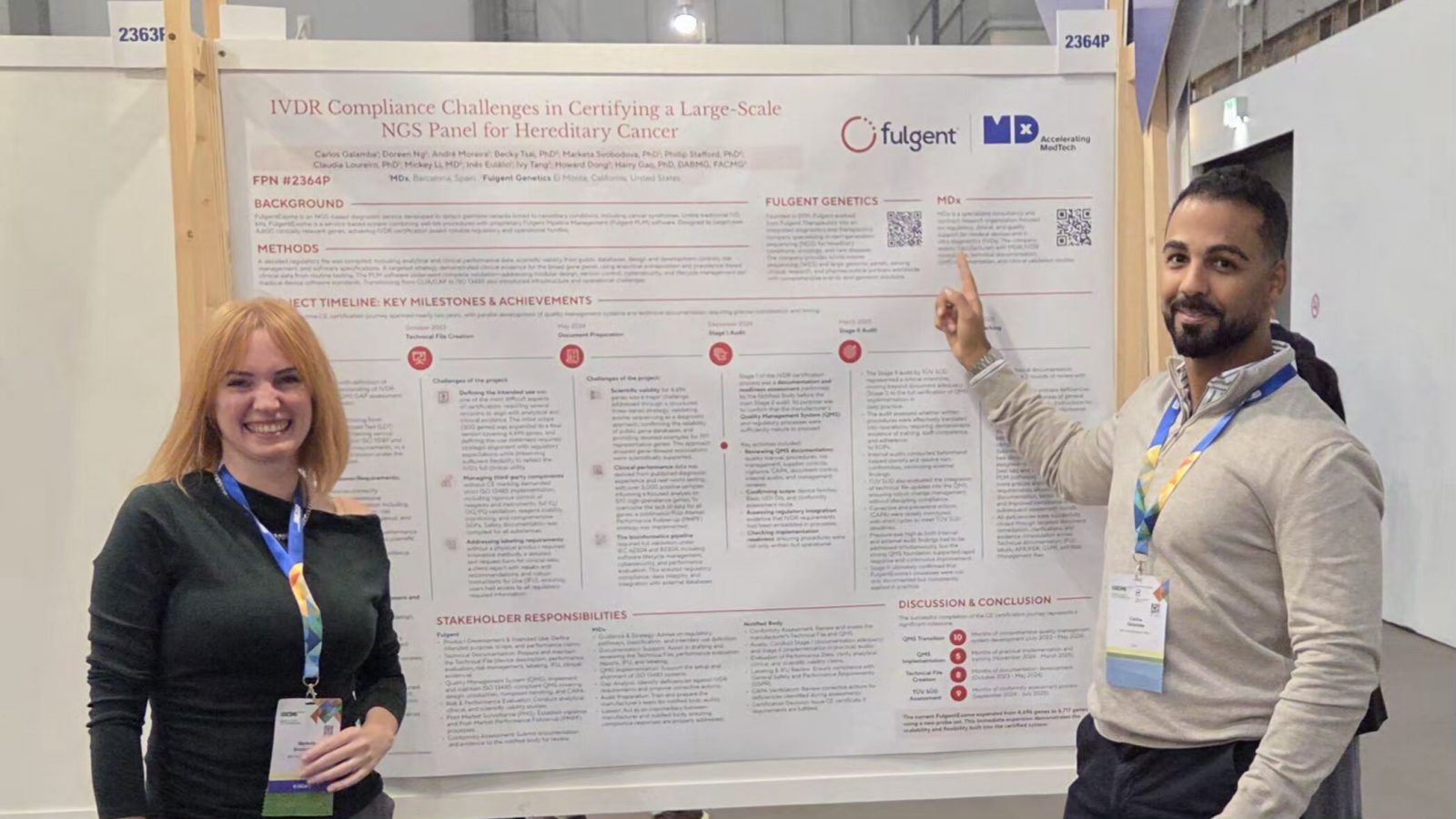
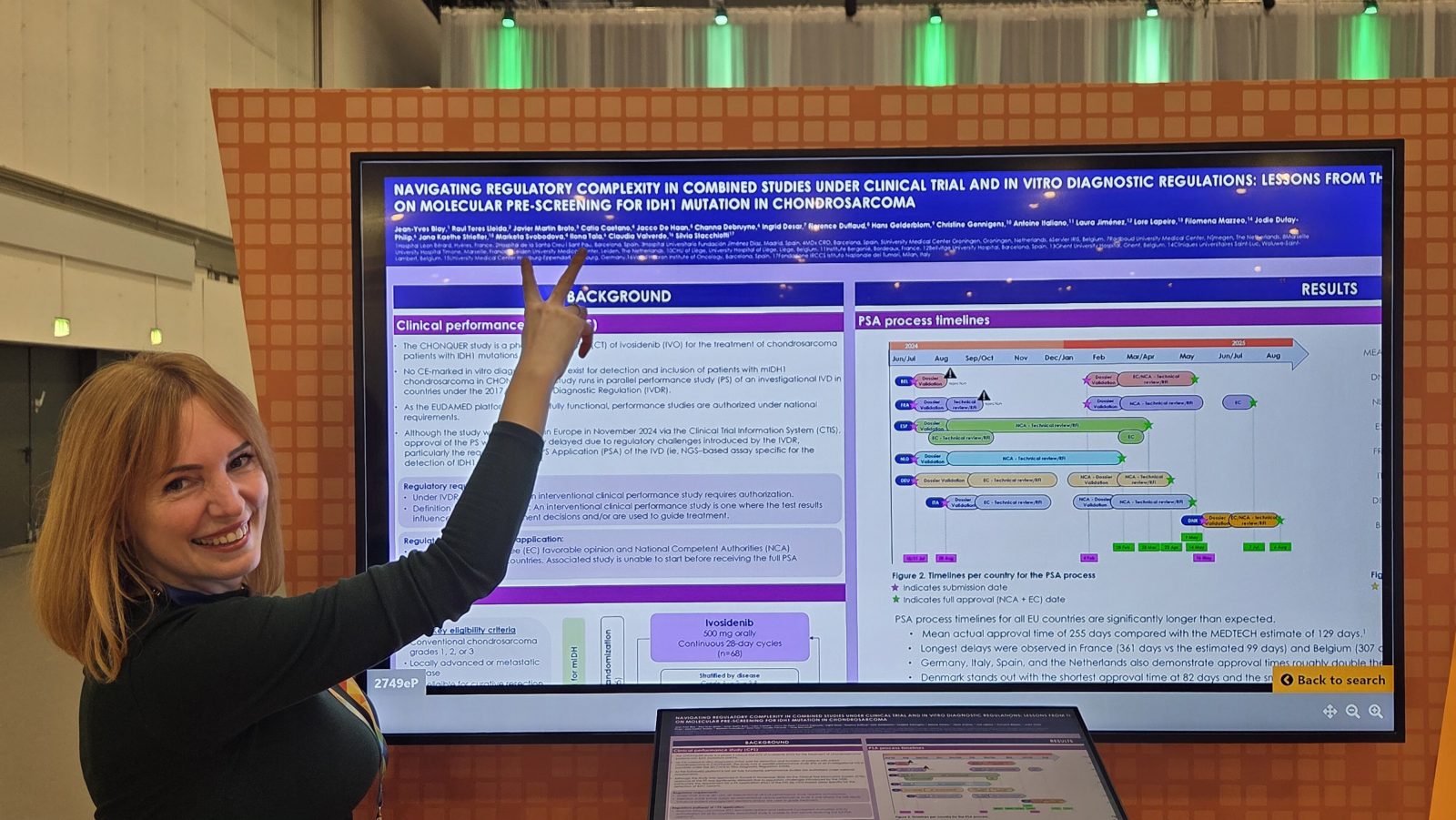
MDx CRO presented new evidence and hands‑on learnings at ESMO 2025 that reinforce our position as the partner of choice for IVDR transitions and combined clinical trials involving investigational IVDs. We were first author on a poster with Fulgent Genetics and contributors to a Servier poster—both centered on the operational and regulatory realities of bringing high‑impact oncology diagnostics into clinical practice under the EU IVDR.

Highlights from our ESMO 2025 posters

Title: IVDR Compliance Challenges in Certifying a Large‑Scale NGS Panel for Hereditary Cancer

What it covers:

  • Practical blueprint for transitioning a comprehensive, service‑based NGS hereditary cancer panel under IVDR.
  • Defining intended use and scientific validity across a large gene set; end‑to‑end technical documentation; bioinformatics validation aligned to IEC 62304/82304; and notified‑body engagement strategy.
  • Lessons on right‑sizing verification/validation and building a living evidence package to support CE‑marking.

Why it matters: Sponsors and lab developers gain an actionable path for moving complex NGS services to IVDR compliance—without slowing clinical programs.

Title: Navigating Regulatory Complexity in Combined Studies under CTR and IVDR (CHONQUER)

What it covers:

  • How combined trials (drug + investigational IVD) trigger dual oversight under CTR and IVDR and the knock‑on effects for timelines, submissions, and site activation across EU member states.
  • Operational patterns that accelerate approvals: early CPS planning, consolidated documentation, and aligned ethics/competent authority strategies.

Why it matters: Oncology sponsors can de‑risk global programs by anticipating IVDR‑specific requirements—and partnering with an IVD CRO that has worked both sides of the fence.

Key takeaways for sponsors

  • IVDR transitions—end to end. MDx CRO supports dossier strategy, clinical performance studies (ISO 20916), scientific validity, and notified‑body engagement for CE‑marking.
  • Combined trials, simplified. We design and run CPS and combined CTR + IVDR studies, harmonizing submissions across multi‑country portfolios.
  • Oncology‑ready operations. Deep experience with molecular prescreening, NGS workflows, and drug–device coordination for precision oncology.

Need a quick debrief? Contact our IVD CRO team for a walkthrough of how these findings translate to your IVDR transition or combined study plan.

FAQs

What does MDx CRO do for IVDR transitions?

We provide end‑to‑end support—from intended‑use definition and scientific validity to clinical performance studies, technical documentation, and notified‑body engagement.

How does MDx CRO support combined CTR + IVDR studies?

We plan and execute CPS and combined trials, consolidating submissions and aligning ethics/competent authority requirements to reduce delays.

Can MDx CRO help with NGS panel validation under IVDR?

Yes. We design right‑sized verification/validation programs and bioinformatics validation aligned with IEC 62304/82304.

Where can I get the ESMO 2025 posters?

Both PDFs are available at the ESMO platform; contact us for a guided readout.

Industry Insights & Regulatory Updates

MDx: Your Dedicated CRO for IVD Clinical Studies in the EU

Introduction

In the rapidly evolving world of in vitro diagnostics (IVD), manufacturers are increasingly understanding the need for rigorous clinical performance studies. Such studies form the backbone for ensuring the safety, efficiency, and overall market readiness of IVD devices. With the European Union’s (EU) stringent regulatory environment, conducting these studies requires expertise and precision. That’s where MDx CRO, a trusted name in IVD Contract Research and regulatory consulting, stands out.

Why are IVD Clinical Studies Imperative?

  • Evidence-based Decision Making: Clinical performance studies furnish the data that can prove the diagnostic accuracy, precision, and utility of IVD devices. They help manufacturers refine their offerings and justify their product claims.
  • Regulatory Adherence: Ensuring compliance with the EU’s In Vitro Diagnostic Regulation (IVDR) and standards like ISO 20916 is non-negotiable. Clinical studies often form the bedrock in gaining these credentials and opening up the European market.

Navigating the Challenges with MDx CRO

Whether you’re a fledgling startup or an established IVD giant, challenges like site selection, study design, effective monitoring, and regulatory adherence can be daunting. This is where MDx CRO can be your guiding light:

  • Proven Expertise: With its legacy in the IVD realm and former Notified Body experts on board, MDx CRO offers unparalleled insights into effective study design, ensuring manufacturers derive actionable insights every time.
  • Network of Clinical Sites: Owing to its years in the industry, MDx CRO has built strong affiliations with leading clinical sites, guaranteeing timely and efficient study conduct.
  • Regulatory Insight: Navigating the IVDR and ISO 20916 maze becomes simpler with MDx CRO’s regulatory consulting wing, which ensures manufacturers always stay on the right side of the law.
  • End-to-End Monitoring: With a keen focus on detail, MDx CRO ensures every study stays on track, protocols are maintained, and data integrity remains uncompromised.

Why MDx CRO?

Simply put, MDx CRO isn’t just a service provider – it’s a partner in your IVD journey. Our seasoned team understands the unique challenges IVD manufacturers face, making them an indispensable asset in your product’s journey from concept to the European market.

Conclusion

IVD clinical studies, while challenging, present a golden opportunity to IVD manufacturers to rigorously validate their product’s claims. In the intricate web of EU regulations, manufacturers need more than just expertise; they need a partner. And who better than MDx CRO, which has consistently demonstrated excellence in study design, monitoring, and ensuring complete regulatory compliance? Choose MDx CRO, and let’s work together to bring transformative and reliable IVD devices to the EU market.

FAQs about IVD Clinical Studies and MDx CRO:

  1. What are IVD Clinical Studies?
    • IVD clinical studies refer to rigorous research and evaluations conducted to determine the safety, efficiency, and overall performance of in vitro diagnostic (IVD) devices.
  2. Why are IVD Clinical Studies important in the EU?
    • The EU has stringent regulatory requirements. IVD clinical studies provide the necessary evidence to support product claims, ensuring compliance with the EU’s In Vitro Diagnostic Regulation (IVDR) and international standards like ISO 20916.
  3. What challenges can manufacturers expect while conducting IVD studies in the EU?
    • Manufacturers may face challenges like site selection, creating an effective study design, regular study monitoring, and ensuring compliance with EU regulations and standards.
  4. How does MDx CRO help with these challenges?
    • MDx CRO offers expertise in study design, has affiliations with top clinical sites, provides regulatory consulting for EU standards, and ensures end-to-end study monitoring to maintain the quality and integrity of data.
  5. Is MDx CRO suitable for both startups and established manufacturers?
    • Absolutely! Whether you’re a startup entering the IVD market or a seasoned manufacturer, MDx CRO’s tailored solutions cater to the unique needs of every client.
  6. How does MDx CRO ensure compliance with the IVDR and ISO 20916?
    • MDx CRO boasts a regulatory consulting wing with deep knowledge of IVDR and ISO 20916, ensuring manufacturers receive accurate guidance and assistance throughout their IVD device’s journey to the market. Our team of former Notified Body experts on board help design studies that meet CE mark expectations
  7. What advantages does MDx CRO offer in terms of site selection for IVD studies?
    • With its extensive experience and industry connections, MDx CRO has built relationships with leading clinical sites for a variety of technologies and clinical applications, ensuring timely and efficient study initiation and execution.
  8. How does partnering with MDx CRO impact the success rate of IVD devices in the EU market?
    • With MDx CRO’s comprehensive services, from design to monitoring and regulatory guidance, manufacturers enhance their chances of a successful and compliant IVD product launch in the EU.
  9. Where can I learn more about MDx CRO’s success stories or case studies?
    • It’s best to reach out to MDx CRO directly or visit our website for detailed testimonials, case studies, and more insights into our work.
Written by:
Carlos Galamba

Carlos Galamba

CEO

Senior regulatory leader and former BSI IVDR reviewer with deep experience in CE marking high-risk IVDs, companion diagnostics, and IVDR implementation.
Industry Insights & Regulatory Updates

IVDR Transition: Insights from the Dutch Authority

State of play of IVDR Transition:

In the realm of in vitro diagnostics (IVD), a seismic shift is underway as manufacturers grapple with the complexities of transitioning to the new European In Vitro Diagnostic Regulation (IVDR). This transition, necessitated by advancements in technology and evolving patient safety concerns, brings both challenges and opportunities for IVD manufacturers. A recent report by the Dutch Competent Authority (IGJ) delves into the progress, setbacks, and strategies of IVD manufacturers in their journey toward IVDR compliance. Over 40% of respondents raised doubts about whether they will be able to obtain the CE marking for their IVDs before the transition periods expire.

The IGJ Report Findings:

The IGJ report sheds light on the multifaceted landscape of the IVDR transition. Manufacturers are confronted with stringent requirements that demand a paradigm shift in their approach to product development, documentation, quality assurance, and post-market surveillance. The report identifies several key challenges:

  1. Technical Documentation Overhaul: The IVDR mandates comprehensive and meticulously documented technical files and dossiers. This demand presents a considerable challenge as manufacturers strive to align existing documentation with the new regulations. Additionally, the dynamic nature of diagnostic technologies requires continuous updates, further complicating the documentation process. Gathering of IVDR Clinical Evidence is particularly challenging for manufacturers due to lack of guidelines and international coordination. For example, application for clinical performance studies across Member States is not fully harmonised.
  2. Certification Complexities: Acquiring the necessary certification from Notified Bodies is a crucial step in the IVDR transition. However, the IGJ report underscores the intricate nature of the certification process, involving rigorous assessments and evaluations. This complexity can lead to delays in bringing products to market. Notified Bodies have reported delays in the certification process due to lack of information in the IVDR technical documentation and also lack of structure and clarity in the file.
  3. Post-Market Surveillance Emphasis: The IVDR places increased importance on post-market surveillance (PMS) and vigilance. Manufacturers are expected to establish robust systems for monitoring the performance and safety of their products throughout their lifecycle. This shift necessitates a proactive approach to identifying and addressing potential issues. 80% of respondents have adapted their vigilance procedures to IVDR requirements, however compliance to PMS System, PMS plan and PMPF requirements is lower, at 70% of respondents. The IGJ has declared they will promote or enforce compliance through random inspection visits.
  4. Educational Imperative: The IGJ report emphasizes the significance of educating all stakeholders, from manufacturers to regulatory bodies, about the intricacies of IVDR compliance. Adequate training is crucial to ensure that everyone understands their roles, responsibilities, and the broader implications of the new regulation.

The Role of MDx CRO in your IVDR Transition:

Amid these challenges, MDx CRO emerges as a guiding light for IVD manufacturers. As the industry grapples with the transformative implications of the IVDR, MDx CRO stands as a stalwart partner, offering expert guidance and tailored solutions to navigate the evolving regulatory landscape.

Strategic Guidance: MDx CRO’s team of seasoned experts provides strategic advice that empowers manufacturers to make informed decisions. Transitioning to the IVDR isn’t just about compliance; it requires a forward-looking approach that considers the long-term impact on products and business strategies.

Technical Documentation Excellence: The IGJ report highlights the criticality of accurate and comprehensive technical documentation. MDx CRO’s expertise shines in this arena, aiding manufacturers in compiling technical files and dossiers that meet IVDR standards while showcasing the safety and innovation of their products.

Certification Support: With the certification process’s complexities highlighted in the report, MDx CRO’s collaborative approach becomes invaluable. By assisting manufacturers in preparing for interactions with Notified Bodies, MDx CRO streamlines the certification journey, ensuring quicker time-to-market for products. Read about our pre-submission service.

Continuous Partnership: The IGJ report’s emphasis on post-market surveillance aligns with MDx CRO’s commitment to the entire product lifecycle. Beyond the transition, MDx CRO supports manufacturers in establishing robust PMS systems, enabling them to meet ongoing compliance and safety monitoring requirements.

Knowledge Dissemination: As underscored by the report, education is pivotal in a successful IVDR transition. MDx CRO’s training and workshops empower manufacturers with the insights and understanding needed to navigate the new landscape with confidence.

Conclusions:

The IGJ report provides a comprehensive view of the challenges and advancements in the IVD sector’s transition to IVDR compliance. One message is clear, the IGJ unequivocally mandates manufacturers to expedite IVDR certification without delay. This is key to prevent peak in applications when the transition period come to an end. Within this landscape, MDx CRO emerges as a crucial enabler, equipping manufacturers with the tools, expertise, and support needed to thrive in the new regulatory era. By offering strategic guidance, technical excellence, certification support, ongoing collaboration, and knowledge dissemination, MDx CRO paves the way for compliant, innovative, and patient-centered IVD products. As the industry continues to navigate the evolving regulatory seas, MDx CRO stands as a steadfast partner in this transformative journey.

Contact our team today to discuss your IVDR transition needs!

Written by:
Carlos Galamba

Carlos Galamba

CEO

Senior regulatory leader and former BSI IVDR reviewer with deep experience in CE marking high-risk IVDs, companion diagnostics, and IVDR implementation.
Industry Insights & Regulatory Updates

Companion Diagnostics IVD Consultancy within the EMA Framework: Comprehensive Guidance

The field of companion diagnostics IVD (CDx) represents a confluence of technological innovation, regulatory compliance, and patient care. As personalized medicine becomes an integral part of healthcare, the regulatory framework governing CDx, including the In Vitro Diagnostic Medical Devices Regulation (IVDR), has become more complex. This scenario calls for a specialized companion diagnostics consultancy. MDx CRO is at the forefront of this arena, offering expertise and guidance in the process for CDx consultation with the European Medicines Agency (EMA), Notified Body preparation and IVDR compliance within the European Union (EU).

Companion Diagnostics IVD and their Role

CDx are in vitro diagnostic (IVD) tests designed to provide information that is essential for the safe and effective use of a corresponding medicinal product. Their applications could include:

  • Identifying patients who are most likely to benefit from a particular therapeutic product.
  • Determining patients’ suitability for specific treatments.
  • Monitoring responses to ongoing treatments.

The Impact of IVDR on Companion Diagnostics

The IVDR sets out robust legal requirements for in vitro diagnostic medical devices, including CDx. Key aspects include:

  • Enhanced Patient Safety: Ensuring the quality and reliability of CDx IVDs.
  • Stricter Oversight: Increased scrutiny of the CDx development and approval process. Unlike the previous directive, CDx now require conformity assessment by a Notified Body, an independent organization designated to assess the compliance of medical devices and in-vitro diagnostics. In addition, CDx are also assessed by a medicines authority, most likely the EMA (European Medicines Agency), but a competent authority could also be involved .
  • Comprehensive Technical Documentation: Increased clinical evidence requirements are particularly notable in the IVDR. MDx CRO can help CDx manufacturers and their drug partners gather the necessary data to support their CDx application. This data may include clinical trial data (clinical performance data), analytical data, and safety data. Manufacturers must provide robust clinical evidence to demonstrate the performance, safety, and clinical utility of the CDx.

There are a number of other factors that can affect the approval process for CDx in the EU. These factors include:

  • The availability of data: Both the Notified Body and the EMA will need to have access to data from clinical trials that demonstrate the safety and effectiveness of the CDx.
  • The complexity of the CDx: The more complex the CDx, the more difficult it will be to assess its safety and effectiveness.
  • The novelty of the CDx: If the CDx involves new technologies or indications, the EMA and the Notified Body will need to take a more cautious approach to its approval. Different scenarios will play a role on the extent of scrutiny involved, including co-developed CDx scenarios, follow-on CDx, and CDx already on the market under the old IVD directive.

Understanding the EMA Companion Diagnostics Consultation Procedure

The consultation procedure is initiated by the notified body when it receives an application from a CDx manufacturer. The medicinal product involved could be a medicine already authorised for marketing in the EU or a medicine undergoing approval. Aligning drug and diagnostic development processes can help to ensure that the results of the clinical trials are accurate and reliable, and that the medicine is safe and effective when used with the CDx.

Aligning timelines in the drug and diagnostic (CDx) development process can help to ensure that the clinical trials for the medicine are conducted in a way that is consistent with the intended use of the CDx.

Upon application for a CDx IVD approval, the notified body will submit a letter of intent to the EMA, along with a technical dossier that describes the CDx and the medicinal product.

The EMA will then appoint a rapporteur, who will be responsible for reviewing the technical dossier and issuing a scientific opinion on the suitability of the CDx for use with the medicinal product. The rapporteur will also consider the views of any other interested parties, such as the applicant for the medicinal product, the manufacturer of the CDx, and patient groups.

The EMA will provide its scientific opinion on the CDx aspects that relate to the medicine to the notified body. The notified body will then use the EMA’s opinion to make a decision on whether to grant the CE mark to the CDx, in accordance with the regulatory requirements of the in vitro diagnostics regulation (EU IVDR).

EMA procedure timetables play a major role in the success of the consultation and turn around times for responses can be extremely short. Manufacturers should factor this in as they plan for their CDx submissions. There is the possibility to request a pre-submission meeting which will include representatives from Notified Bodies, EMA and could also include the drug manufacturer – this is used strictly to align on procedural and timing considerations (it is not used to provide feedback on study design or the content of the technical documentation).

One of the key documents used in the consultation and submitted by the notified body to the EMA is the SSP (Summary of Safety and Performance). The EMA expects manufacturers to use the SSP template provided in MDCG 2022-9. A lot more detail is expected in the SSP when compared to the information provided in the IFU. For example, detail on concordance studies is needed, particularly for co-developed CDx when different versions of a diagnostic have been used throughout the clinical development program.

MDx CRO: Your Partner in Companion Diagnostics Consultancy

Our companion diagnostics consultancy services encompass every stage of development, approval, and post-market surveillance:

  • Guidance on IVDR Requirements: In-depth support in understanding and meeting the specific demands of IVDR as they relate to CDx. MDx CRO can help a diagnostics company identify the specific requirements that apply to its CDx. For example, the requirements for a CDx that is intended to assess a patient’s suitability for treatment may be different from the requirements for a CDx that is intended to be used to monitor a patient’s response to treatment.
  • Preparation for Notified Body Assessment: Tailored strategies for successful assessment of a CDx under the IVDR: Assistance with compiling and submitting the necessary technical documentation and quality related documents.
  • Providing training to the manufacturer’s staff: MDx CRO can provide training to the manufacturer’s staff on the EMA’s requirements for CDx, as well as the notified body’s assessment process and expectations. This training will help to ensure that the manufacturer’s staff are prepared to answer any notified body questions and increase chances of success.
  • Stakeholder Communication: Facilitating communication with all relevant parties.
  • Global Perspective: Navigating international considerations for CDx in multi-country studies.
  • Post-Market Support: Focused on maintaining the highest standards through ongoing compliance monitoring with IVDR and other regulatory requirements. This includes implementing strong post-market surveillance processes and Post-Market Performance Follow-up (PMPF) evaluations, monitoring the CDx’s performance in real-world clinical settings, tracking and analyzing adverse events related to CDx usage, and conducting ongoing studies to evaluate the long-term impact and effectiveness of the CDx.

Why MDx CRO for Companion Diagnostics IVD Consultancy?

  1. Expertise: Our in-depth knowledge of CDx, IVDR, and EU regulations offers unparalleled support.
  2. Collaboration: Working closely with clients, we tailor our approach to meet specific needs.
  3. Efficiency: Our insights and guidance save valuable time and resources, simplifying complex regulatory pathways.
  4. Commitment: Our dedication to excellence, patient safety, and innovation sets us apart.

Navigating the multifaceted world of companion diagnostics in the EU, with the added complexity of IVDR, requires a dedicated and skilled partner. MDx CRO stands ready to be your guide in this critical journey, ensuring alignment with all regulatory standards. Reach out to explore how our companion diagnostics consultancy can be the key to unlocking your CDx potential in the EU’s dynamic regulatory environment.

FAQs

Q: What is a co-developed Companion Diagnostics in the context of EMA consultation?

A: A co-developed CDx is a device developed alongside a medicinal product for either initial authorization or a change of indication. This can include development during a pivotal clinical trial or a bridging study, with sufficient documentation to ensure performance alignment.

Q: How does a follow-on CDx differ from a co-developed CDx?

A: A follow-on CDx seeks the same indication as the original CDx but is not developed in parallel with the medicinal product. The follow-on CDx targets the same biomarker but may not be based on the same technology. It should be highly comparable to the original in performance, safety, and effectiveness.

Q: What documentation is required for a follow-on CDx?

A: Sufficient documentation must be provided for a follow-on CDx to prove that its analytical performance is comparable to the original CDx and that there’s no impact on clinical performance incompatible with the safe and effective use of the medicinal product.

Q: How are devices transitioning from IVDD to IVDR handled?

A: Devices initially marketed under Directive 98/79/EC (IVDD) that transition to IVDR fall under the co-developed or follow-on scenarios, depending on how they were initially developed.

Q: Is it possible to proceed with a single CDx consultation procedure for multiple authorized medicinal products and indications?

A: Yes, if a device’s intended purpose includes several authorized medicinal products and indications, it’s recommended to proceed with one single CDx consultation procedure. All concerned medicinal products should be listed in the intention to submit a letter by the Notified Body and in the application form.

Written by:
Carlos Galamba

Carlos Galamba

CEO

Senior regulatory leader and former BSI IVDR reviewer with deep experience in CE marking high-risk IVDs, companion diagnostics, and IVDR implementation.
Industry Insights & Regulatory Updates

Influenza Assays: Risk Classification Under IVDR

New position statement published by the IVD expert panel on influenza viruses

MDx CRO, an IVD consultancy and CRO company, reviews the latest position paper published by the EU Commission IVD Expert Panel. The publication discusses the risk classification of influenza assays under the In Vitro Diagnostic Regulation (IVDR) and focuses on whether influenza viruses should be considered as high-risk Class D pathogens or fall under other risk categories.

Background

Influenza viruses, like many respiratory viruses, have the potential to cause life-threatening diseases with a high or suspected high risk of propagation. The severity and transmissibility of an influenza virus strain depend on various factors, including virus-specific, host-specific, and environmental factors. Seasonal influenza strains undergo antigenic drift, while antigenic shift can result in new influenza A subtypes, potentially leading to pandemics.

Transmissibility and Severity

Transmissibility is a key indicator of the ease of movement of the influenza virus between individuals and communities. It is influenced by the virus’s ability to spread from person to person, transmission dynamics, and population susceptibility. Influenza viruses can be transmitted not only between humans but also from animals to humans and vice versa, posing public health risks.

Disease Severity of Influenza A(H1N1)pdm09

The A(H1N1)pdm09 strain, responsible for the 2009 pandemic, was remarkably different from seasonal influenza strains, leading to a higher fatality rate and impacting younger populations more severely. Since the pandemic, A(H1N1)pdm09 has continued to circulate, causing significant disease burden globally. Despite available vaccines, their effectiveness remains a concern, and oseltamivir-resistant variants have been reported. Ongoing global surveillance and analysis of antiviral susceptibility are crucial for public health and patient care.

Other Circulating Influenza Virus Strains

Various seasonal influenza viruses, both type A and B, have the potential for high transmissibility and severe disease. An unusual and severe epidemic was observed during the 2017-2018 season, primarily dominated by influenza B virus, while influenza A(H3N2) and A(H1N1)pdm09 also caused severe cases in older adults. Additionally, zoonotic transmission of novel influenza strains, like H3N2, H7N9, and H5N6, has been reported, highlighting the importance of global surveillance and early warning systems.

Feasibility of Developing General Common Specifications for influenza assays

Given the unpredictable changes in influenza strains and the potential for novel variants to emerge, it is challenging to develop general common specifications with minimum performance requirements for class D devices. Assays for seasonal influenza detection, intended for individual infection detection, may not be suitable for detecting emerging strains with pandemic potential or from non-human origins. Such assays may require different safety protocols and risk assessments, and rapid confirmatory real-life performance evaluation studies should be considered.

Risk classification of influenza assays under the IVDR

Influenza viruses, particularly A(H1N1)pdm09, have demonstrated the potential for high transmissibility and severe disease, leading to significant public health consequences. The development of general common specifications for all influenza strains is challenging due to the varying risks and objectives associated with different assay types. With regards to the risk classification of influenza assays under the IVDR, the Commission’s position paper points out that seasonal influenza assays should be classified as class C devices, while class D devices may be necessary for assays intended to detect strains with pandemic potential or from non-human origins. This position statement may contradict some of industry’s initial assumptions on the classification of devices for seasonal influenza.  V2 of the MDCG guidance on classification rules for IVDs originally stated that a “device intended for the detection of influenza A/B virus (non pandemic)” was a class B device according to rule 6.

Implications for manufacturers of influenza assays

The classification of IVDs can be highly intricate, and determining whether a device should be classified as Class B or Class C (and even D) often presents challenges. This complexity is particularly evident in devices where the associated risk level varies between low, moderate, and high, depending on factors such as circulating strains and the intended use of the device.

Notified Bodies have been adhering to the MDCG classification guidance to classify these devices and grant appropriate certification according to the risk class. For instance, assays designed to detect seasonal influenza were typically considered Class B devices, following examples provided in the guidance. On the other hand, assays intended for detecting high-risk strains would be classified as Class D (also according to the guidance).

This classification approach seemed logical until the latest advice from the expert panel was published. According to this updated advice, seasonal influenza assays could potentially be reclassified as Class C devices. This reclassification would have significant implications for manufacturers, as it would require the creation of Periodic Safety Update Reports (PSURs), Summary of Safety and Performance (SSP) documents, and other additional scrutiny throughout the entire process.

Given these potential changes, MDx CRO and relevant stakeholders are intrigued to learn how Notified Bodies will respond to this new development and what their expectations will be moving forward. Manufacturers may need to adapt their strategies to comply with a potential revised classification and the increased requirements, which may present both challenges and opportunities in the IVD industry.

Ongoing global surveillance, international collaboration, and data sharing are essential for effective influenza control and preparedness.

MDx CRO has extensive experience in conducting clinical performance studies and providing regulatory support for high-risk infectious disease IVDs.

Contact our team today to initiate a discussion!

Written by:
Carlos Galamba

Carlos Galamba

CEO

Senior regulatory leader and former BSI IVDR reviewer with deep experience in CE marking high-risk IVDs, companion diagnostics, and IVDR implementation.
Industry Insights & Regulatory Updates